


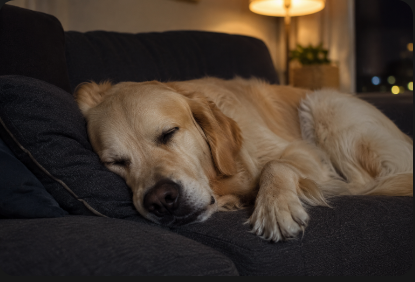
Dog snoring is more common than many owners realize. Some dogs snore occasionally, while others sound almost like humans when they sleep. In many cases, snoring is completely harmless—but sometimes it may indicate an underlying health issue.
Understanding why dogs snore can help owners recognize the difference between normal sleeping sounds and symptoms that require veterinary attention.
Why Do Dogs Snore?
Dogs snore when airflow is partially blocked during sleep. This causes the tissues in the throat, nose, or mouth to vibrate, producing the familiar snoring sound.
Some breeds are naturally more likely to snore due to their anatomy, while others may start snoring because of age, allergies, weight gain, or respiratory problems.
Dog Breeds That Snore the Most
Flat-faced breeds are the most common snorers.
These include:
- Bulldog
- Pug
- Boston Terrier
- Boxer
- French Bulldog
These breeds have shorter nasal passages, making breathing during sleep more difficult.
Common Causes of Dog Snoring
Sleeping Position
Some dogs only snore when sleeping on their back. Changing sleeping position may reduce the noise.
Obesity
Excess weight can place pressure on the airways and make breathing harder during sleep.
Allergies
Dust, pollen, smoke, and household irritants can inflame nasal passages.
Respiratory Infections
Temporary infections may cause congestion and snoring.
Age
Older dogs may experience weaker throat muscles and increased airway vibration.
When Should You Worry?
Dog snoring may require veterinary attention if it is accompanied by:
- difficulty breathing
- coughing
- excessive fatigue
- blue gums
- sudden changes in sleeping behavior
Loud or worsening snoring should never be ignored.
Can Dogs Have Sleep Apnea?
Yes. Dogs can develop sleep apnea, especially overweight or brachycephalic breeds.
Symptoms may include:
- interrupted breathing during sleep
- gasping
- daytime tiredness
- restless sleep
How to Reduce Dog Snoring
Owners may help reduce snoring by:
- maintaining healthy weight
- improving air quality
- changing sleeping position
- using elevated beds
- regular vet checkups
Final Thoughts
In most cases, dog snoring is harmless and simply part of your dog’s sleeping habits. However, sudden or severe snoring may indicate a health issue that deserves attention.
Monitoring your dog’s breathing and behavior is the best way to determine whether snoring is normal or a sign of a larger problem.
READ NEXT:
CANINE COGNITIVE DYSFUNCTION – HOW TO HELP THEM?
DOG SLEEPING BEHAVIOR: COMPLETE GUIDE TO HOW DOGS SLEEP, DREAM, SNORE & TWITCH